How to Get Tree Sap Off Your Car Surfaces and Why It Gets Harder to Remove


Tree sap is difficult to remove because it changes over time. It lands as a sticky residue, then dries and clings more tightly the longer it sits on your vehicle. Heat and sunlight speed that process up, which is why sap that sits for a few days often feels very different from sap you just noticed. A regular wash may help with fresh buildup, but it can’t always fully remove hardened sap.

For most drivers, this is not a one-time problem. It tends to show up in patterns. Parking under trees, warm weather, and longer gaps between washes all make it more noticeable. Understanding why tree sap behaves this way makes it easier to set realistic expectations about what a wash can and cannot do, and how often you should plan to have one. Many drivers start by finding the best car wash near them to keep their cars clean regularly.
Why does tree sap stick so easily to a car?

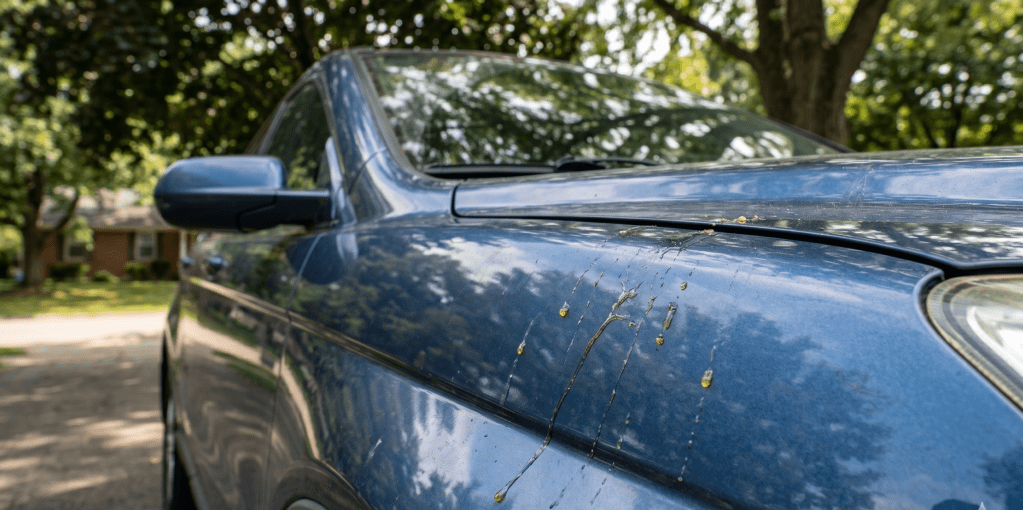
Tree sap sticks because it does two things at once. It grabs onto the surface when it is fresh, then becomes more solid as it sits.

In warm conditions, sap can spread slightly when it first lands. That helps it settle into small imperfections on paint, glass, and trim. As it dries, it becomes firmer and more difficult to lift away.

Most drivers notice this shift after a sunny day. A small sticky spot in the morning can feel much tougher by the afternoon, especially if the car has been sitting outside.

Sap also tends to collect in predictable places. The hood and roof usually take the most exposure. Windshields and side glass catch sap from overhead branches. Exterior trim can hold onto residue longer, especially when it mixes with dust or pollen.

Does tree sap damage car paint?

Tree sap can leave marks or dull areas if it stays on paint for an extended period, especially in warm weather. The outcome depends on how long it sits and the conditions around it.

When sap sits too long, drivers may notice that the spot looks slightly uneven or feels different from the rest of the surface. In some cases, the visible sap comes off, but a faint mark remains. Older spots are usually more noticeable than fresh ones.

There is also a point where this moves beyond normal upkeep. If a spot remains after repeated washing, or if the surface still looks marked after the sap is gone, it may need more than a routine wash. A regular car wash routine supports general upkeep, but it does not reverse every condition-related change caused by prolonged gaps between washes.

What makes tree sap worse in real driving conditions

Tree sap becomes more noticeable and harder to manage when exposure is frequent, and conditions allow it to sit.

Parking is one of the biggest factors. Cars parked under trees tend to collect sap in the same areas over and over. Even a few hours of shade can lead to buildup, especially during warmer months.

The weather also plays a role. Heat and sunlight can make sap more stubborn in a short amount of time. Seasonal changes matter as well. Many drivers notice more sap during warmer periods, especially in spring and early summer when trees are more active. This pattern is tied to natural cycles, including how spring weather brings flowing tree sap.

Driving habits add another layer. Cars that are washed less often give sap more time to sit and change. Vehicles used daily and parked outdoors tend to collect a mix of sap, pollen, and grime that builds up quickly.

What do drivers often get wrong about tree sap?

A common mistake is treating tree sap like regular dirt. It may look small and manageable at first, so it is easy to assume it will come off during the next wash.

In reality, time matters. Sap that sits for even a short period in warm conditions can behave very differently from fresh residue.

Another misconception is that more force will solve the problem. Scrubbing harder does not change how the sap has bonded to the surface. It often just creates new issues without removing the original spot.

Drivers also tend to assume all surfaces respond the same way. Paint, glass, and trim can hold onto sap differently, which is why some spots seem more stubborn than others.

The key point is consistency. Results vary based on weather, exposure, and timing. A routine helps manage the issue, but it does not make every spot respond the same way.

Why a single car wash may not fully remove tree sap

A single car wash can help remove fresh sap and surrounding grime, but it often is not enough to fully remove sap that has been sitting on your vehicle’s surface. In most cases, the difference comes down to how long the sap has been there and how often the car is washed.

A wash does an important first job. It clears away dirt, pollen, and road film that collect around sap, making it easier to see what is left behind. Fresh sap may loosen during this process, but hardened spots often remain after one visit.

What drivers typically notice after one wash:

  • The car looks clean overall, but small spots remain
  • Residue becomes more visible once dirt and pollen are gone
  • Some areas improve, while others stay the same

This is where consistency and the right car wash services matter. Regular washing helps prevent sap from sitting long enough to harden, and repeated exposure to cleaning and protective finishes can make buildup easier to manage over time. At Tidal Wave Auto Spa®, car wash services are designed to support that ongoing upkeep, so each visit builds on the last rather than starting over.

For drivers who park outdoors or deal with tree cover, a steady routine often makes the biggest difference. Options like the Tidal Wave Clean Club® can help make that routine easier to maintain, so sap and other buildup are addressed earlier, before they have time to sit and become more stubborn.

How does this fit into a consistent car wash routine?

In everyday driving, tree sap is usually an ongoing upkeep issue rather than a one-time fix. A simple wash routine helps drivers stay aware of what is happening on the surface of the car.

Many drivers notice sap after parking under trees at home or work. Over time, especially in warm weather, those small spots can add up. Regular washing helps remove the surrounding buildup so sap does not blend in with dirt and grime.

It also creates a natural check-in point. When you wash your car, you are more likely to notice new spots early. That timing matters more than trying to solve everything in one visit.

For drivers who deal with frequent outdoor exposure, consistency tends to matter more than intensity. Guidance like knowing how often you should wash your car, can help set a realistic rhythm based on how and where the car is used.

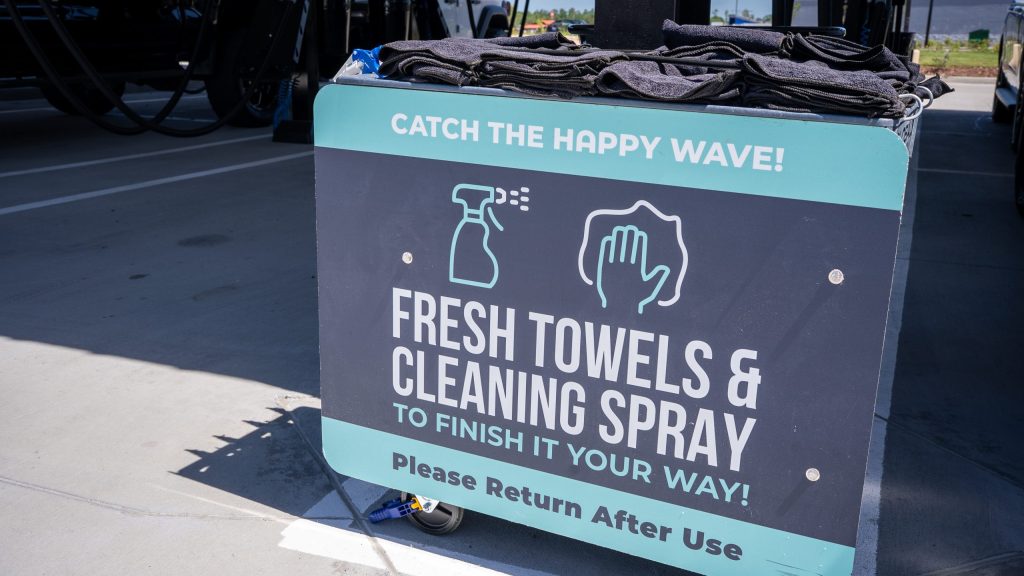
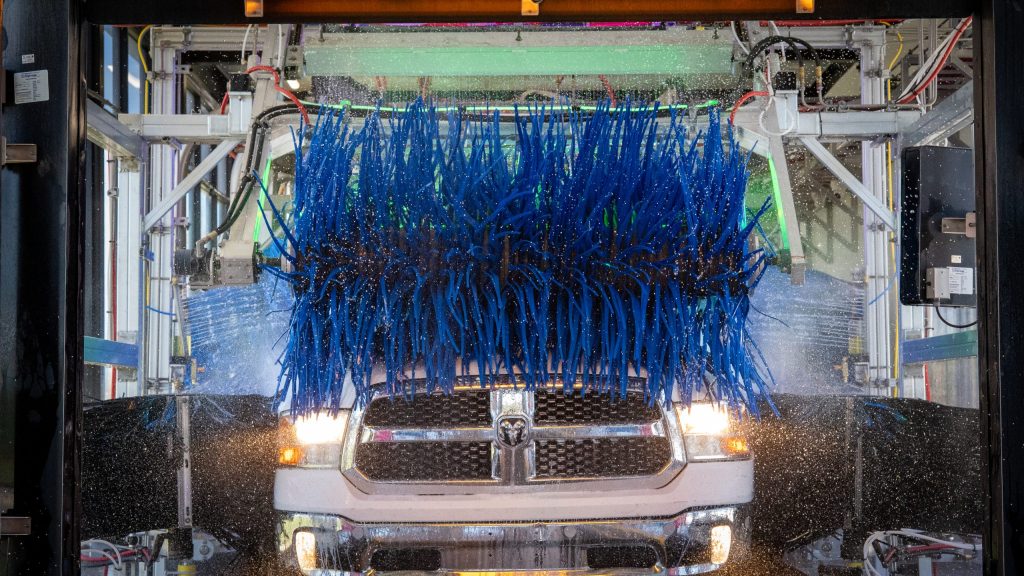
Tidal Wave Auto Spa® fits into that routine as a simple way to keep up with exterior cleaning. Wash stages can help clear away surrounding dirt and surface residue around sap spots. Free vacuums, towels, and cleaner can support a more complete cleanup when needed. The Tidal Wave Clean Club® can make it easier to wash regularly for drivers who park outdoors often. Results still vary based on heat, parking conditions, tree cover, and how long sap has been sitting.

  • Why does tree sap stick so easily to a car?

    Tree sap sticks because it does two things at once. It grabs onto the surface when it is fresh, then becomes more solid as it sits.

    In warm conditions, sap can spread slightly when it first lands. That helps it settle into small imperfections on paint, glass, and trim. As it dries, it becomes firmer and more difficult to lift away.

    Most drivers notice this shift after a sunny day. A small sticky spot in the morning can feel much tougher by the afternoon, especially if the car has been sitting outside.

    Sap also tends to collect in predictable places. The hood and roof usually take the most exposure. Windshields and side glass catch sap from overhead branches. Exterior trim can hold onto residue longer, especially when it mixes with dust or pollen.

  • Does tree sap damage car paint?

    Tree sap can leave marks or dull areas if it stays on paint for an extended period, especially in warm weather. The outcome depends on how long it sits and the conditions around it.

    When sap sits too long, drivers may notice that the spot looks slightly uneven or feels different from the rest of the surface. In some cases, the visible sap comes off, but a faint mark remains. Older spots are usually more noticeable than fresh ones.

    There is also a point where this moves beyond normal upkeep. If a spot remains after repeated washing, or if the surface still looks marked after the sap is gone, it may need more than a routine wash. A regular car wash routine supports general upkeep, but it does not reverse every condition-related change caused by prolonged gaps between washes.

  • What makes tree sap worse in real driving conditions

    Tree sap becomes more noticeable and harder to manage when exposure is frequent, and conditions allow it to sit.

    Parking is one of the biggest factors. Cars parked under trees tend to collect sap in the same areas over and over. Even a few hours of shade can lead to buildup, especially during warmer months.

    The weather also plays a role. Heat and sunlight can make sap more stubborn in a short amount of time. Seasonal changes matter as well. Many drivers notice more sap during warmer periods, especially in spring and early summer when trees are more active. This pattern is tied to natural cycles, including how spring weather brings flowing tree sap.

    Driving habits add another layer. Cars that are washed less often give sap more time to sit and change. Vehicles used daily and parked outdoors tend to collect a mix of sap, pollen, and grime that builds up quickly.

  • What do drivers often get wrong about tree sap?

    A common mistake is treating tree sap like regular dirt. It may look small and manageable at first, so it is easy to assume it will come off during the next wash.

    In reality, time matters. Sap that sits for even a short period in warm conditions can behave very differently from fresh residue.

    Another misconception is that more force will solve the problem. Scrubbing harder does not change how the sap has bonded to the surface. It often just creates new issues without removing the original spot.

    Drivers also tend to assume all surfaces respond the same way. Paint, glass, and trim can hold onto sap differently, which is why some spots seem more stubborn than others.

    The key point is consistency. Results vary based on weather, exposure, and timing. A routine helps manage the issue, but it does not make every spot respond the same way.

  • Why a single car wash may not fully remove tree sap

    A single car wash can help remove fresh sap and surrounding grime, but it often is not enough to fully remove sap that has been sitting on your vehicle’s surface. In most cases, the difference comes down to how long the sap has been there and how often the car is washed.

    A wash does an important first job. It clears away dirt, pollen, and road film that collect around sap, making it easier to see what is left behind. Fresh sap may loosen during this process, but hardened spots often remain after one visit.

    What drivers typically notice after one wash:

    • The car looks clean overall, but small spots remain
    • Residue becomes more visible once dirt and pollen are gone
    • Some areas improve, while others stay the same

    This is where consistency and the right car wash services matter. Regular washing helps prevent sap from sitting long enough to harden, and repeated exposure to cleaning and protective finishes can make buildup easier to manage over time. At Tidal Wave Auto Spa®, car wash services are designed to support that ongoing upkeep, so each visit builds on the last rather than starting over.

    For drivers who park outdoors or deal with tree cover, a steady routine often makes the biggest difference. Options like the Tidal Wave Clean Club® can help make that routine easier to maintain, so sap and other buildup are addressed earlier, before they have time to sit and become more stubborn.

  • How does this fit into a consistent car wash routine?

    In everyday driving, tree sap is usually an ongoing upkeep issue rather than a one-time fix. A simple wash routine helps drivers stay aware of what is happening on the surface of the car.

    Many drivers notice sap after parking under trees at home or work. Over time, especially in warm weather, those small spots can add up. Regular washing helps remove the surrounding buildup so sap does not blend in with dirt and grime.

    It also creates a natural check-in point. When you wash your car, you are more likely to notice new spots early. That timing matters more than trying to solve everything in one visit.

    For drivers who deal with frequent outdoor exposure, consistency tends to matter more than intensity. Guidance like knowing how often you should wash your car, can help set a realistic rhythm based on how and where the car is used.

    Tidal Wave Auto Spa® fits into that routine as a simple way to keep up with exterior cleaning. Wash stages can help clear away surrounding dirt and surface residue around sap spots. Free vacuums, towels, and cleaner can support a more complete cleanup when needed. The Tidal Wave Clean Club® can make it easier to wash regularly for drivers who park outdoors often. Results still vary based on heat, parking conditions, tree cover, and how long sap has been sitting.

Common Questions About Tree Sap on a Car

Tree sap starts as a sticky residue and can harden over time. Heat and sun can make it cling more tightly to surfaces.

A car wash may help with very fresh sap and surrounding grime, but it often will not fully remove sap that has been sitting.

Tree sap can leave marks if it sits too long, especially in warm conditions. The outcome depends on time and exposure.

Many drivers notice more stubborn sap in warmer months because heat and sun can make it harder to remove.

Washing can remove surrounding dirt first, which makes leftover sap easier to see. Older sap may still remain after a normal wash.

Tree sap is easier to manage when drivers catch it early

Tree sap becomes more difficult to deal with the longer it sits, especially in warm outdoor conditions. What starts as a small, sticky spot can turn into something more noticeable if it is left alone.

For most drivers, the goal is not to eliminate every spot immediately. It is to stay aware of buildup and manage it over time. A consistent routine helps keep the surface cleaner overall and makes it easier to notice fresh sap before it becomes more stubborn.

If you want to stay ahead of buildup like sap, it helps to understand what is essential for keeping car paint shiny and how regular upkeep fits into your driving routine.